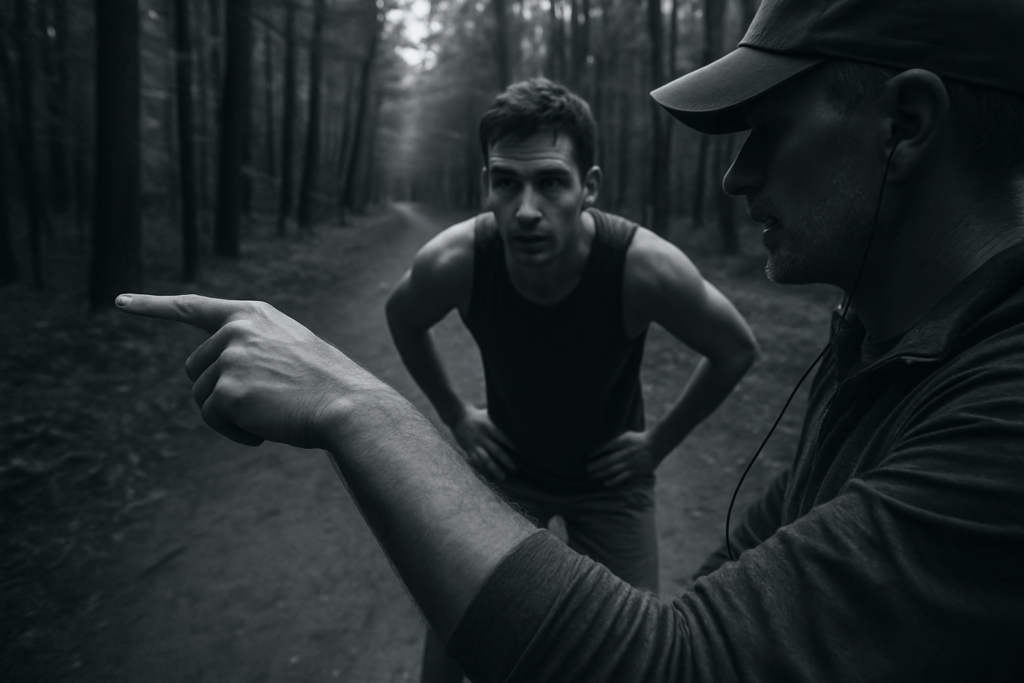

Shifting Focus: Safety Over Intensity
Youth sports used to push hard, early. Specialized training at age 7. Year round competition by 9. But the tide is turning and fast.
Today, more coaches are dialing down the pressure and putting injury prevention first. Instead of locking kids into a single sport from the start, programs are embracing variety. It’s not about slowing down progress it’s about keeping young athletes in the game for the long haul.
The shift toward age appropriate skill development is gaining real ground. Training now aims to match physical and cognitive readiness. Four hour sessions and max rep drills are out; structured movement, proper rest, and foundational motor skills are in.
The result? A more balanced path forward. Programs are finally acknowledging that growth doesn’t just happen in the body. Mental sharpness, emotional resilience, and physical health are all on the radar. And when these elements align, athletes don’t just perform better they last longer.
Smarter Tech, Safer Training
Youth sports have gone digital, and it’s making a real difference. Wearable tech think smartwatches, compression gear with sensors, and even connected insoles is giving coaches and parents a live readout on stress loads and movement patterns. The result? Better data, faster decisions, fewer overuse injuries.
But it’s not just about collecting numbers. AI is stepping in to do what human eyes sometimes miss. Motion analysis tools now flag form issues before they lead to problems knees collapsing in a squat, asymmetrical strides, poor landing habits. These systems are giving even weekend league players access to feedback once reserved for pros.
Recovery’s getting an upgrade, too. Mobile apps are using performance data to deliver custom recovery plans not generic stretches. We’re talking suggested sleep targets, hydration reminders, and detailed cooldowns based on how hard kids worked and where their weak points are. It’s personalized coaching in your pocket.
When tech is used right, it doesn’t replace smart coaching it supports it. In 2024, that support is becoming standard.
Coaching Strategies That Protect
Injury rates in youth sports have sparked a shift in coaching philosophy. Coaches are now emphasizing safety focused methods that promote progressive development over outdated intensity driven models.
Moving Beyond “Push Through It”
Traditional notions of mental toughness are being traded for smarter, more effective long term strategies:
Structured progressions are becoming the norm, allowing young athletes to master foundational skills before increasing intensity.
Coaches are learning to view discomfort as a signal for adjustment not something to simply ignore or push through.
Training plans increasingly build in rest, recovery, and adaptation periods to avoid overuse injuries.
Biomechanics and Warm Ups Matter
Proper preparation is at the core of safer performance. Coaches at all levels are returning to the basics of body mechanics:
Biomechanical instruction helps athletes move more efficiently and reduce strain on joints and muscles.
Dynamic, sport specific warm ups are replacing generic drills or static stretches.
More time is dedicated to teaching correct form and movement patterns, especially in fast paced or high contact sports.
Specialized Training for Young Athletes
Coaches are not just leaders they’re learners, too. As the landscape shifts, the need for specialized knowledge is growing:
Certified trainers with child development expertise are in high demand, especially in competitive youth programs.
Coaches are expected to understand physical, emotional, and cognitive readiness before advancing athletes to more demanding levels.
Ongoing education and certifications are becoming essential to keeping kids safe and helping them perform better.
Coaching models that prioritize gradual progression, proper technique, and age aligned education offer a safer, science backed approach to training. It’s not about dialing back ambition it’s about guiding athletes with purpose and protection.
Mental Health as Part of the Program

Stress isn’t just for elite athletes anymore. Youth programs are finally catching up to the reality that pressure starts early sometimes way too early. As a response, more training curriculums now bake in mental skills training alongside physical drills. Simple tools like breathing techniques, visualization, and basic mindfulness are being taught from day one. It’s not flashy, but it works.
Burnout prevention has also become a priority. Psychologists and coaches alike are sounding alarms about kids quitting before high school not because they lack skill, but because they’re mentally fried. Parents and staff are getting smarter, too. They’re more alert to red flags: unusual fatigue, drop in motivation, mood swings, or sudden drop offs in performance.
Programs that identify these signs of overload early can pivot lighten practice loads, shift focus, or just give space. It’s about building resilience, not grinding kids down. This shift doesn’t slow progress; it protects it.
Built In Safety: Facilities and Design
Youth sports programs are finally catching up on the physical spaces where training happens. We’re seeing real investment in safer, more responsive environments. Think shock absorbing turf, padded flooring, and gear designed with growing bodies in mind not just adult size equipment scaled down. The old gym mats and concrete courts aren’t cutting it anymore, and forward thinking programs know it.
Beyond physical safety, the shift is toward inclusive, adaptive designs. Practice spaces are being reimagined to serve a broader range of athletes regardless of ability, experience level, or background. Adjustable hoops, sensory sensitive lighting options, and wheelchair accessible fields are popping up in more places, and not just as a one off feature. It’s becoming standard.
That’s because safety isn’t just physical. Emotional safety matters too. Coaches, program leaders, and designers are recognizing that the environment itself plays a role in whether a young athlete feels safe showing up, trying hard, and failing forward. More than a trend, this is a shift in values. Training spaces are evolving to empower all learners from the ground up.
For a deeper look at how programs are creating safer, more inclusive training environments, check out this safe training environments guide.
Education for Everyone
Training youth athletes safely isn’t just the coach’s job anymore it’s a team effort. Parents are getting off the sidelines and into workshops and online learning modules. They’re learning how to spot burnout signs, ask better questions, and become allies in long term development instead of pressure points.
Young athletes themselves are being equipped to speak up. Programs are teaching them how to understand stress signals, pacing, and recovery. This isn’t just about avoiding injury it’s about building self awareness and trust between kids and adults in the system.
Coaches aren’t left out, either. The old model of trial and error is being replaced by ongoing education in smart, progressive training methods. It’s not about pushing for more; it’s about pushing smart.
There’s also a growing focus on cultivating training spaces that are physically safe and emotionally supportive places where everyone feels like they belong. That’s where the link between education and environment clicks. More on how to foster that here.
Where It’s Headed
Youth sports training is entering a new era one defined by intelligent, evidence based practices that prioritize longevity over immediate results. The most effective programs aren’t just safer they’re strategically designed to unlock sustainable athletic growth.
Smarter, Not Slower
“Safer” no longer implies taking a back seat in performance. Instead, it means using smarter methods and better tools:
Implementing progressive training schedules that align with developmental stages
Leveraging tech and data to guide recovery and reduce injury risks
Designing routines that prioritize form, rest, and mental clarity
Long Term Wins Over Short Term Glory
The current leaders in youth sports training understand a key principle: long term athlete development offers the greatest returns.
Programs are focusing on steady milestones rather than early specialization
Success is redefined by health, consistency, and athlete retention
Fewer early injuries translate to longer, more successful athletic careers
Science Meets Common Sense
What research has affirmed for years balanced, holistic training works is finally being embraced across the board:
Training that integrates emotional well being, physical development, and cognitive growth
Coaches, parents, and athletes all looking beyond winning as the only metric
A shared culture that values safety as a pathway to excellence
The future of youth sports doesn’t just look safer it looks smarter, stronger, and better prepared for lifelong athletic success.