
Smarter Wearables on the Field
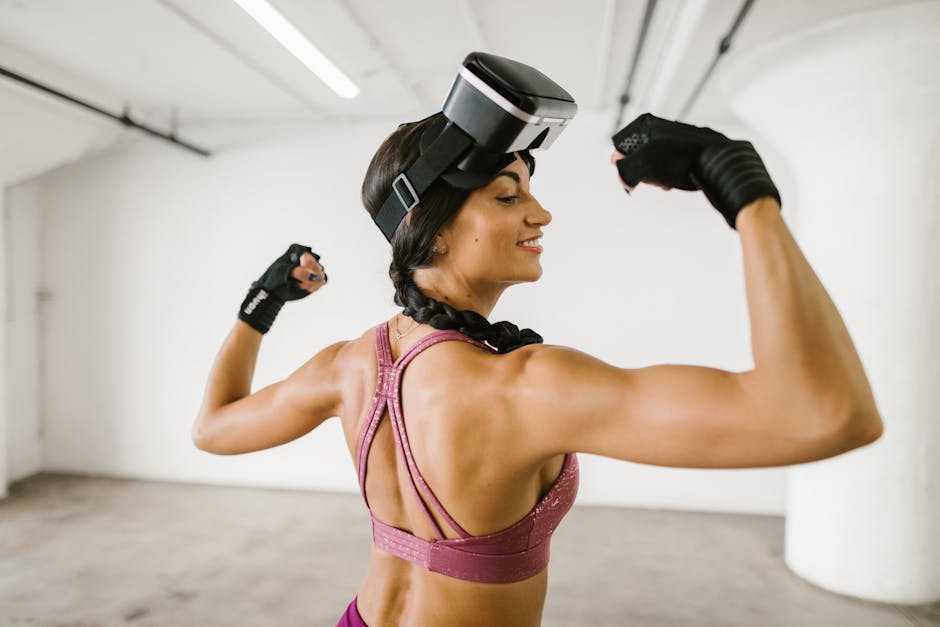
Athletes aren’t just wearing gear they’re wearing insights. The newest wave of wearable technology is moving far beyond basic metrics like step count or heart rate. These devices are now packed with sensors that reveal what’s happening inside the body and how athletes are responding in real time.
Beyond Basic Biometrics
Today’s wearables give a deeper view of performance by tracking:
Heart Rate Variability (HRV): Offers clues about recovery state and readiness
Sweat Biomarkers: Provide hydration and electrolyte level insights
Impact Force Sensors: Track physical collisions, reducing risk of undetected injuries
These features help athletes and their teams understand the body’s condition with a level of detail that wasn’t possible a few years ago.
Real Time, Real Impact
One of the biggest advantages of smarter wearables is their ability to offer immediate feedback. This is no longer just post game data;
Coaches can make game time decisions based on an athlete’s fatigue levels or impact history
Athletes can adjust technique or pace mid play to prevent injury or optimize output
Training loads can be managed minute to minute, not just week to week
Useful Tools vs. Noisy Numbers
Not every data point translates into performance.
What’s useful:
Real time fatigue indicators
Accurate hydration tracking
Biomechanical feedback that translates to actionable coaching
What’s just fluff:
Overly generalized calorie estimates
Constant notifications that distract more than guide
Data without context or coaching interpretation
Ultimately, smarter doesn’t mean more it means better. The most effective wearables deliver clear, personalized insights that lead to smarter training and safer play.
AI Is Changing the Game
Athletes aren’t just training harder they’re training smarter, thanks to AI. Machine learning models now design custom training plans by analyzing years of performance data, biomechanics, and even mental fatigue indicators. Each workout is data backed and fine tuned for the individual. No more generic drills. If your squat pattern is off or your vertical jump stagnates, the system notices and adjusts.
Injury prediction is another game changer. AI tools are picking up movement patterns and stress markers that coaches might miss. A small imbalance today could mean sidelined next month. With early alerts, athletes and trainers can intervene before an issue turns into downtime.
Then there’s the return to play side. AI assisted video review goes beyond play by play it analyzes form, symmetry, load, and movement efficiency. Paired with motion capture and real time feedback, it’s becoming part of the coaching toolkit to get athletes back safely and fast.
Want more detail? Check out how AI is powering the future of performance.
Recovery Goes High Tech

Recovery tech is no longer a luxury it’s protocol. Athletes from Olympians to weekend warriors are working percussion guns into their cooldown routines. They’re using devices like Theragun or Hypervolt to hit deep tissue fast, especially after heavy days. Compression systems like Normatec are showing up in pro locker rooms, recovery lounges, and even hotel gyms. They’re popular because they’re passive you can scroll your phone while squeezing out lactic acid.
Then there’s the infrared sauna trend. Advocates say the mix of heat and light penetrates muscle tissue for better blood flow and inflammation control. Some athletes use it daily; others swear by it for weekly reset sessions. But like most recovery tools, results vary. For some, it’s about the ritual as much as the science.
The real game changer isn’t the tool, it’s the timing. Smart athletes are using these devices proactively, not just when soreness hits. Recovery tech now fits into training plans like any other performance metric. It’s helping reduce overtraining, especially when paired with sleep data and fatigue tracking.
And about that sleep data tools like WHOOP and Oura promise insight. But here’s the catch: tracking your exhaustion doesn’t magically fix it. If you don’t adjust your habits, the ring just tells you you’re tired. Used wisely, though, sleep tech can help athletes spot patterns and tighten up recovery cycles.
Bottom line: recovery is evolving. If you’re not tech savvy about it, you’re leaving gains on the table.
Data Driven Coaching
Coaching used to be all gut. A feeling, a look in a player’s eyes, the vibe in the locker room. That’s not gone but it’s no longer enough. The modern coach is half tactician, half analyst. With tablets on the sideline and dashboards lighting up the war room, interpretation is replacing instinct. Numbers don’t lie, but it’s still up to humans to act on them.
Game day now comes with a flood of metrics. Live workload tracking. Velocity decay. Readiness scores. Coaches are watching acceleration data as closely as play execution. It’s not about drowning in stats it’s about knowing which signals matter. A drop in reactive strength index before kickoff? Might mean benching your star striker before they pull a hamstring.
Still, the best coaches know where the data ends and decision making begins. You don’t lead a locker room with a spreadsheet. But in 2024, if you’re not listening to the numbers, you’re flying blind.
The Future Is Personalized
One Size Fits All? Not Anymore
The era of generic training plans is officially over. In 2024, elite performance is built on individual data not guesswork. From youth development to pro athletes, personalization isn’t just a competitive edge it’s an expectation. Athletes and coaches are moving past traditional plans that ignore fundamental differences in body type, recovery speed, and performance metrics.
Data from wearables, sleep trackers, and power meters now fine tune every aspect of training
Baselines vary widely, so individual benchmarks are replacing arbitrary standards
Outcomes: fewer overuse injuries, better performance peaks, and greater long term durability
Real World Customization in Action
Athletes across a range of sports are leveraging tech tools to create hyper specific programming. These aren’t just high budget pros many examples come from collegiate and amateur ranks:
A sprinter adjusts training volume based on real time HRV and sleep data
Soccer players use GPS and force plate data to taper intensity before matches
Endurance athletes modify their nutrition protocols using sweat biomarker analysis
These micro adjustments made possible by interpreting personal data are helping athletes perform smarter, not just harder.
Know Your Numbers, Protect Your Career
Understanding your own metrics isn’t just about improving today’s performance it’s about extending your future in the game. Athletes who track and respond to their personal data are more likely to:
Avoid preventable injuries
Identify early signs of fatigue or overtraining
Delay career burnout by adapting smart recovery habits
By mastering their unique data profiles, athletes can build not just better results but longer, more sustainable careers.
Explore more about AI powered training