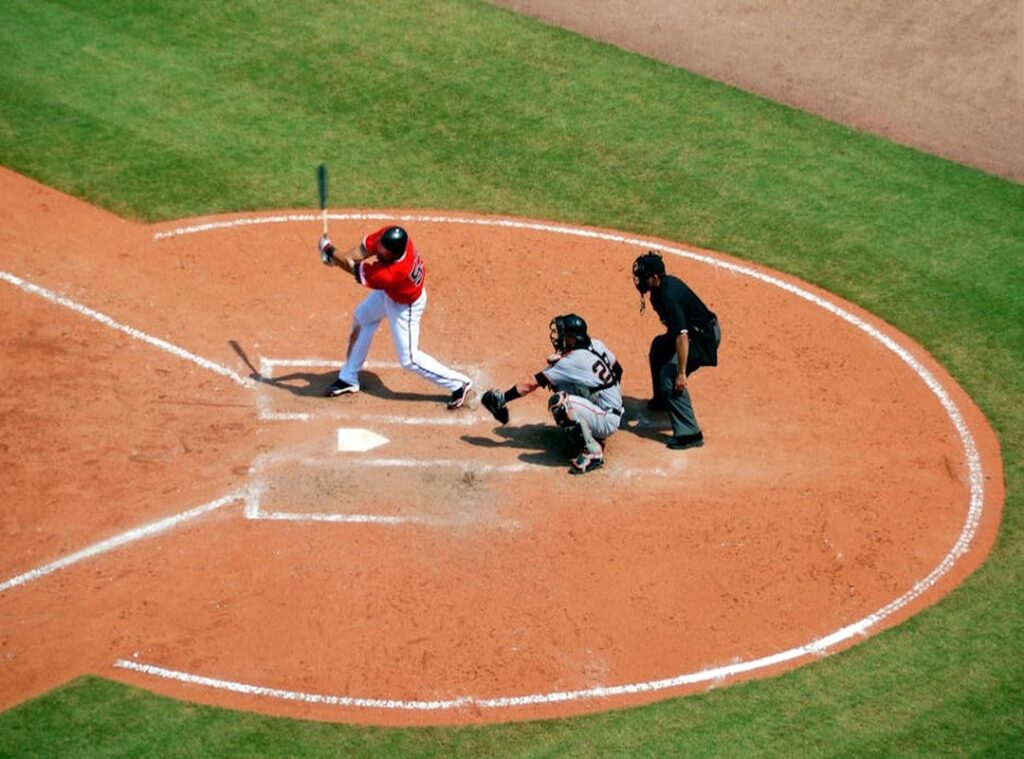
You’re watching a baseball game.
The announcer says “can of corn” and you blink.
Then “painting the corners” and you check if your phone has signal.
It’s not you. It’s the language.
Baseball talks in code. And no one hands you the decoder ring.
I’ve watched fans zone out mid-inning because they stopped understanding what anyone was saying.
That’s dumb. You shouldn’t need a Ph.D. to enjoy America’s pastime.
This isn’t a glossary written for scouts or stat nerds.
It’s built for people who just want to follow along. And actually get it.
I’ve cut every term that doesn’t matter for watching live games. No fluff. No jargon about jargon.
Just clear, plain explanations. Tested with real fans who’d never heard “bullpen session” before last week.
By the end, you’ll know the important Baseball Terms Sffarebaseball cold.
You’ll hear them on the broadcast and nod. Not squint.
Let’s fix that confusion. Right now.
Covering the Bases: The Absolute Essentials
Baseball isn’t complicated. It’s just misunderstood.
I’ve watched people zone out in the first inning because no one explained what an inning actually is.
So here’s the truth: an inning is a chapter. Not a scene. Not a paragraph.
A full chapter (with) a top and bottom, offense and defense, and a hard stop before the next one starts.
An out ends a team’s turn to hit. Three outs, your side sits down. Simple.
A strike is any pitch the batter swings at and misses, or any pitch in the zone they don’t swing at. A ball is any pitch outside the zone they don’t swing at.
The count? That’s just the scoreboard between pitcher and batter. A 3-2 count means three balls, two strikes.
High tension. High risk. One mistake and someone wins.
Fair ball? Lands in the field bounded by the foul lines. And stays fair.
Foul ball? Hits outside those lines (or) bounces fair then rolls foul before first or third.
A walk? Four balls. Batter gets first base.
No drama. Just patience (or) bad control.
You’re probably thinking: Why does this matter if I’m just watching? Because once you know these, you stop guessing and start seeing the game.
This guide covers all of it (learn) more if you want the full breakdown.
Baseball Terms Sffarebaseball isn’t jargon. It’s language.
And language lets you lean in instead of tuning out.
Three outs. Nine innings. One ball.
That’s all you need to start.
Everything else is flavor.
At the Plate: What Hitting Actually Means
I’ve stood in that batter’s box. Felt the weight of the count. Heard the crowd hold its breath on a 3-2 pitch.
Hitting isn’t just swinging. It’s decision-making under pressure. And every term tells part of that story.
A Single is one base. A Double? Two.
Triple means you beat out three. Home Run clears the fence. Simple, right?
(But try doing it against a 98 mph sinker.)
Batting Average (AVG) is hits divided by at-bats. It’s easy to read. It’s also misleading.
Why? Because it ignores walks. And walks are valuable.
That’s why On-Base Percentage (OBP) matters more. OBP counts hits and walks and hit-by-pitches. It answers one question: How often does this player get on base?
Not how often they hit. How often they stay in the rally.
Runs Batted In (RBI) measures production (but) only when runners are already on base. It rewards timing, not skill alone. A great hitter with no one on base gets zero RBIs.
That doesn’t mean they’re bad.
A Bunt is a soft tap. Goal? Move a runner or surprise the defense.
Sacrifice Fly? You hit deep enough to let someone tag and score (even) if you make an out. Stolen Base?
You sprint while the pitcher’s distracted. Risky. Often worth it.
These aren’t just words. They’re tools for reading what’s really happening.
You think AVG tells the full story? Try watching a game where the leadoff hitter walks four times and never swings (then) tell me AVG mattered.
Baseball Terms Sffarebaseball covers all this. But knowing the terms won’t help unless you watch how they play out.
I once saw a guy steal second on a 1-0 count. Not because he was fast, but because the catcher flinched. That’s the game.
Don’t memorize definitions. Watch the intent behind each move.
That’s how you start seeing baseball like a player does.
On the Mound: Fastballs, Errors, and Why the Ninth Inning Feels
I’ve stood on that dirt more times than I can count. And let me tell you (preventing) runs is harder than it looks.
A fastball is just what it sounds like. It’s fast. Not always the fastest pitch, but it’s thrown to beat the bat.
Not outsmart it. Just get there first.
A curveball drops. Not gradually. It falls.
Your eyes say it’s coming in high. Then your glove drops six inches trying to catch up.
A slider sits between them. It breaks sideways. Late.
And it makes batters look silly. (Even good ones.)
ERA stands for Earned Run Average. It’s how many earned runs a pitcher allows per nine innings. A 3.00 ERA is solid.
Under 2.50? That’s elite. Over 5.00?
You’re probably getting pulled by the fifth.
An error isn’t just a mistake. It’s a free base. A gift.
I go into much more detail on this in Sffarebaseball results 2023.
And it resets the inning’s tension (like) hitting “undo” on defense.
A double play kills momentum. Two outs, one swing. It’s the most satisfying thing in baseball (unless) you’re the runner who just got doubled off first.
Fielder’s choice? That’s when the defense chooses to get one runner instead of another. It looks clean.
But it often means the lead runner is now on base (and) the next batter knows it.
The bullpen isn’t a place. It’s a group. Relief pitchers who warm up and wait.
Some throw once a week. Some throw three times in four days.
The closer is the last line. They don’t start. They finish.
And they specialize in high-use, low-margin situations. One walk. One hit.
One mental slip (and) the game flips.
Baseball Terms Sffarebaseball aren’t just jargon. They’re shortcuts for real consequences.
You want proof? Look at the Sffarebaseball Results 2023. Every win, every loss, every error, every save adds up.
I’m not sure why we still track saves as a stat. But I am sure closers earn their paychecks in those final three outs.
Defense wins games. Pitching prevents them. Everything else is noise.
Trust the process. Or don’t. But know this: the mound is where intentions go to die.
Dugout Chatter: Slang That Actually Sticks

This is the bonus round. The stuff you hear in the dugout, not the broadcast booth.
I don’t care how many times you’ve watched Moneyball. If you say “Can of Corn” and mean an easy fly ball, people will nod. It’s dumb and perfect.
“Golden Sombrero”? Four strikeouts in a game. Sounds fancy until you’re the one wearing it.
(Spoiler: It’s embarrassing.)
The Mendoza Line isn’t a place. It’s .200 (a) batting average so low even Mario Mendoza barely hung on. It’s real.
It’s brutal.
“Painting the corners” means hitting the edge of the plate. Not close. On it. Pitchers love saying it.
Hitters hate hearing it.
Baseball Terms Sffarebaseball? Yeah, that’s the jargon dump no one warned you about. Want proof?
Check the Sffarebaseball Statistics page. It’s all there. Raw.
Unfiltered. Just like the dugout.
You Just Learned to Speak Baseball
I used to stare at the TV and nod like I understood.
Spoiler: I didn’t.
Now you know Baseball Terms Sffarebaseball. Not just the words, but what they do in a game. The count.
The shift. The hold. The butcher boy.
You see the plan now. Not just the score.
That fog lifting? That’s real. It’s why you’ll finally notice the manager’s move before the announcer explains it.
Turn on a game this week. Listen for five terms from this guide. Write them down.
Say them out loud.
You’ll catch something new. Something that clicks. Something that makes you lean in instead of zoning out.
This isn’t trivia.
It’s your ticket into the game.
Go watch. Go listen. Go feel how much more alive baseball sounds now.