You walk into the baseball aisle and freeze.
Too many gloves. Too many bats. Too many bags that cost more than your lunch for a week.
I’ve been there. Played high school ball. Coached Little League for eight years.
Helped hundreds of parents buy gear without getting scammed or overbuying.
Sffarebaseball isn’t about looking cool. It’s about showing up ready (not) confused, not broke, not holding three gloves you’ll never use.
This isn’t another vague list. No fluff. No “maybe you’ll need this someday” nonsense.
You’ll leave knowing exactly what gear is non-negotiable. What to check before buying. What to skip entirely.
I’ll tell you which glove breaks in fast (and which one sits in your closet for two seasons). Which bat size actually matters. And which specs are just marketing noise.
Time saved. Money kept. Kid ready to play.
That’s the point.
The Starting Lineup: Non-Negotiable Baseball Essentials
You need four things to step on the field and not look like you wandered in from a picnic. Glove. Bat.
Helmet. Cleats. That’s it.
Everything else is noise.
Glove fit matters more than brand name.
Synthetic gloves are cheap and ready-to-use. Leather gloves last longer but need work. I break mine in by stuffing it with a ball overnight, then playing catch for ten minutes every day.
If your pinky or thumb hangs off the edge? It’s too big. Your hand should sit snug (no) gaps, no sliding.
Bat length isn’t about height alone. It’s about control. Hold it out straight.
If your palm faces up, it’s probably too heavy. Drop weight tells you the difference between length (in inches) and weight (in ounces). A -10 bat is lighter than a -5.
Check your league rules before you buy.
USA bats are required for most youth leagues. USSSA bats are hotter. And banned in many places.
Helmet? Not optional. Not “just for games.”
It must sit low on your forehead, no gap above the eyebrows.
NOCSAE certification isn’t a logo (it’s) a safety standard stamped inside the shell. No stamp? Don’t wear it.
Cleats split two ways: molded plastic or metal spikes. Molded cleats are legal for all ages. Metal?
Usually 13U and up. But check your league. Some forbid them outright.
Wearing metal cleats at 10U gets you benched. Fast.
Sffarebaseball has real-time gear updates for local leagues. I use it before every season. Saves me from showing up with the wrong bat drop.
Don’t overthink this. Get the glove that fits. Pick the bat you can swing fast.
Wear the helmet that stays put. Buy the cleats your league says yes to.
That’s how you start right.
Gear Isn’t One-Size-Fits-All: It’s Position-Specific
I used to wear my brother’s outfielder glove at age 12. Tried to catch a pop-up. Glove swallowed the ball (and) my confidence.
You don’t grow into gear. You grow into your role. And your gear grows with you.
The Catcher
Catcher’s gear isn’t armor. It’s survival gear.
Mask. Chest protector. Shin guards.
All built to stop 90 mph fastballs. Not just once, but sixty times a game.
That mitt? It’s not a glove. It’s a trampoline with straps.
Deep, padded, and hinged to close on impact.
I’ve seen catchers ditch the throat guard. Bad idea. One foul tip changes everything.
The Infield
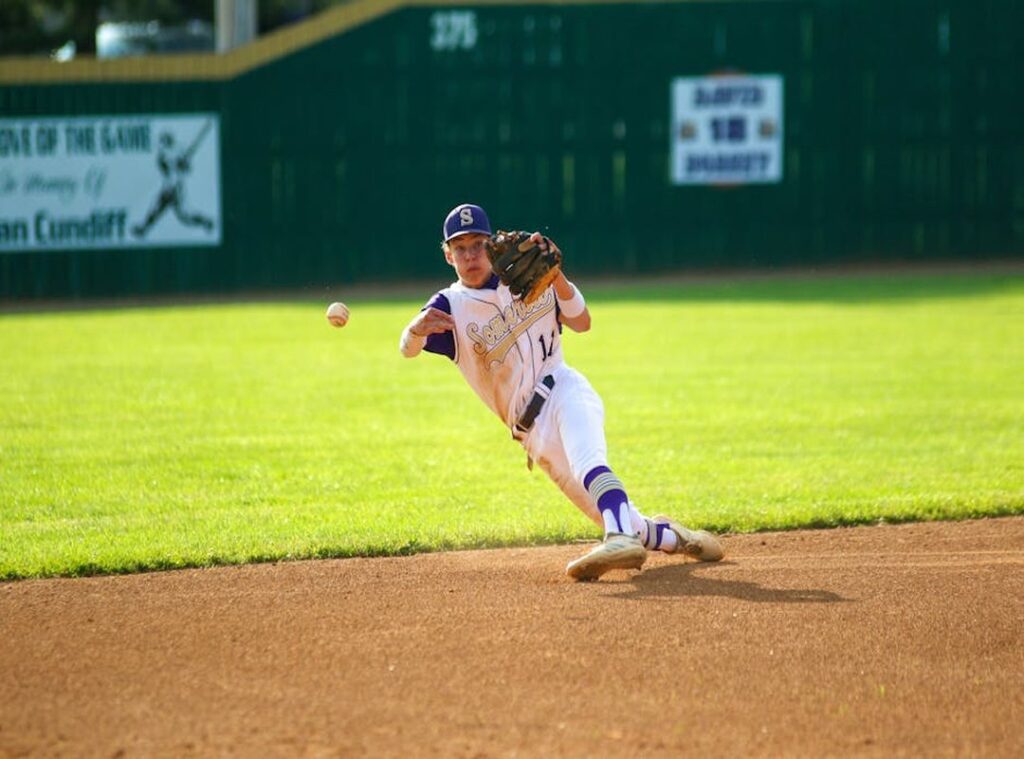
Infielders need speed. Not storage.
Smaller glove. Shallow pocket. Less web.
Why? Because you’re fielding grounders, then firing to first in under 2.5 seconds.
A deep pocket slows you down. A big glove catches dust.
I tried using an outfielder’s glove at shortstop once. Felt like holding a dinner plate while juggling eggs.
The Outfield
Outfielders chase fly balls (sometimes) 30 feet in the air, sometimes 400 feet away.
Longer glove. Deeper pocket. More surface area.
I wrote more about this in Sffarebaseball Results Today From Sportsfanfare.
Lets you trap the ball instead of letting it bounce out.
That extra inch of leather? It’s the difference between a double and a triple.
First Base
First baseman’s mitt? No fingers. Just one long, scooping surface.
It’s not weird. It’s necessary. You’re catching throws off-target, off-balance, and often sideways.
Sffarebaseball players know this instinctively (or) they learn it fast.
One pro tip: Don’t buy gear based on color or logo. Try it on. Close it.
Open it. Drop a ball in it from waist height.
If it feels slow, it is slow.
Beyond the Basics: What Actually Helps You Play Better
Most people buy the gear they’re told to buy. Then wonder why their hands sting after ten swings.
Batting gloves? Not mandatory. But I stopped playing without them after my third blister ripped open mid-game.
They cut sting. They lock grip. And no, leather isn’t better (synthetic) works fine and lasts longer.
You don’t need a $200 bag. But you do need one that fits your bat and your helmet and doesn’t collapse when you unzip it. Wheeled bags are overkill for most kids.
Backpack-style? Yes. Duffel with one strap?
No.
Sliding shorts? Smart. A cup?
Non-negotiable for boys. Elbow guards? Only if you’ve taken one off-speed pitch to the forearm and still flinch at the sound of a fastball.
Training aids? Skip the gimmicks. A $15 batting tee stays in my garage year-round.
Weighted balls? Use them before practice. Not during.
A rebounder net? Only if you have space and actually use it twice a week.
The rest is noise.
I checked the Sffarebaseball results today from sportsfanfare last week. Saw three teams using the same basic glove-bag-guard setup (and) outscoring everyone else by double digits.
Comfort isn’t soft. It’s not getting distracted by your gear.
Performance isn’t magic. It’s showing up ready (without) fumbling.
Organization isn’t color-coded. It’s knowing where your glove is at 6:58 a.m.
Buy less. Choose sharper. Keep it simple.
Buyer’s Guide: 3 Mistakes That Cost You Time and Money
I’ve watched kids swing bats that drag on the ground. (It’s not cute. It’s dangerous.)
Buying gear “to grow into” is the worst idea. Bats too long. Gloves too stiff.
It messes up swing mechanics before they even settle in.
Proper fit isn’t optional. It’s non-negotiable.
You think a $300 bat from a big brand will help? Only if it fits your kid’s height, weight, and swing speed. Otherwise, it’s just expensive dead weight.
I’ve seen players drop gloves mid-game because the finger stalls were too tight. Not fun. Not safe.
League rules change every year. USSSA. USA Baseball.
BBCOR. If your bat doesn’t match your league’s stamp, you can’t use it. Period.
Check the rulebook before you click buy. Seriously.
Sffarebaseball doesn’t fix bad choices after the fact.
Get fit right. Check the rules. Skip the hype.
Step Up to the Plate with Confidence
I’ve been there. Staring at racks of gloves, bats, cleats. Feeling lost before the first pitch.
You don’t need more options. You need clarity.
This guide cuts through the noise. It starts with what every player must have. Then it narrows in (by) position.
Then adds what actually helps (not just what looks cool).
Safety isn’t optional. Confidence isn’t magic. It’s gear that fits you, not the label.
You’re not buying stuff. You’re building readiness.
And if you skip one thing? That’s the glove that slips. The bat that feels off.
The moment doubt creeps in.
Sffarebaseball is your anchor (not) hype, not guesswork.
Use this as your checklist next time you shop.
No second-guessing. No last-minute panic buys.
You’ll walk into opening day ready. Not hoping. Knowing.
Grab the list. Start today.