Why Mobility is Non Negotiable
Mobility isn’t just high kicks and deep stretches. It’s about control moving through full ranges of motion with strength and stability. When an athlete is mobile, every joint does its job, and every movement becomes more efficient.
Put simply: better mobility means better performance. You cut sharper, lift cleaner, and recover faster. If you want to stay in the game whether that’s on the field, in the gym, or on the trail mobility has to be one of your priorities.
On the flip side, poor mobility is more than an inconvenience it’s a liability. Limited motion leads to compensation. Compensation leads to breakdown. It’s the short road to off tracking your form, tweaking something mid lift, or burning out before you break through.
If you haven’t already, now’s the time to make mobility work part of your program. Your joints and your future performance will thank you.
Dig deeper into what mobility really does for your body here: importance of mobility.
World’s Greatest Stretch
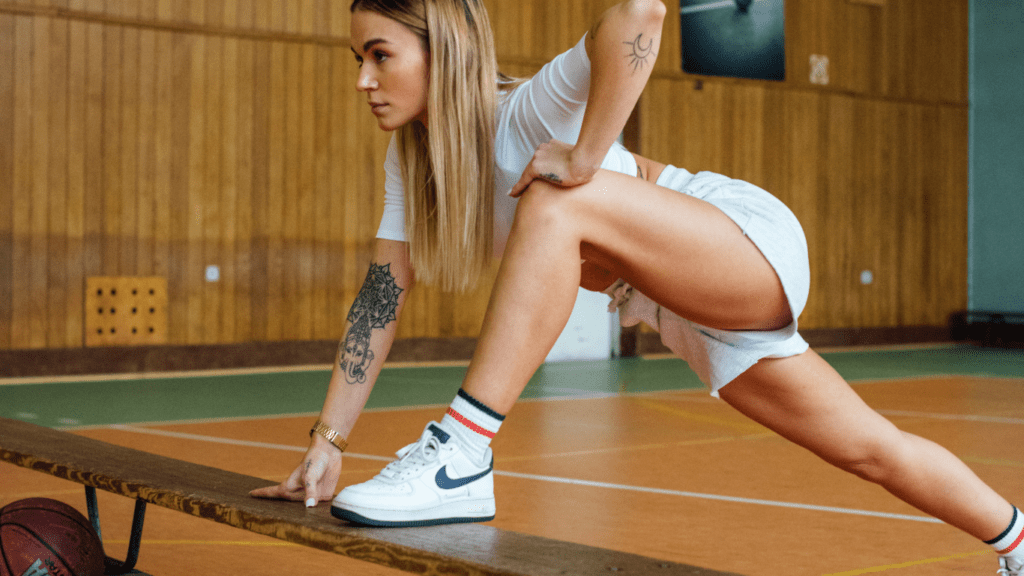
If you only have time for one mobility drill before training, this is it. The World’s Greatest Stretch earns its name by hitting several key joints and muscle groups in a single flowing sequence. It opens the hips, activates the glutes, mobilizes the thoracic spine, and challenges ankle range all within a few reps.
Start in a lunge with your front foot outside your hand. Reach the inside arm to the ceiling while keeping eyes on the hand. You’re building rotation through the spine while anchoring your hips. From there, drive the hips upward, extending the front leg briefly to engage the posterior chain. Then switch sides.
It’s dynamic, multi planar, and efficient. Perfect as a full body primer before lifts, sprints, or high output sessions. If done correctly, it re enforces active control, not just passive flexibility. That’s the difference between warming up and just stretching.
90/90 Hip Rotations
Don’t skip this one. 90/90 hip rotations are low tech but brutally effective. They target internal and external hip rotation the kind of movement most athletes don’t train directly, but absolutely need. If your hips can’t rotate well, you’re leaking power every time you sprint, shuffle, or cut.
This drill rewires control through the hip joint. It builds strength at awkward, forgotten angles and exposes the gaps in range you didn’t know you had. Stick with it, and you start unlocking cleaner sprint mechanics, quicker direction changes, and stronger, safer landings. It also helps stabilize the pelvis, tightening up control around the hip joint for better movement integrity.
No equipment needed. Just patience, reps, and a willingness to feel awkward while your body learns new patterns.
Thoracic Spine Openers
Too much screen time and heavy pressing work can lock up your mid back. Thoracic spine openers directly tackle poor posture and tightness that restricts overhead movement. For athletes, that means less shoulder impingement and more room to breathe literally. The thoracic spine plays a big role in rib movement and lung expansion, so opening it up improves both mobility and breathing mechanics.
You don’t need a complex setup. Grab a foam roller and place it just under the shoulder blades. Lean back with arms overhead and gently extend over the roller. Pause, breathe, repeat. Or use bodyweight drills like thread the needle or wall slides to loosen things up without any gear. The key is consistency. For anyone wanting stronger overhead lifts or better posture, thoracic drills are non negotiable.
Ankle Dorsiflexion Drills
If your ankles move poorly, everything above them pays for it. Limited dorsiflexion wrecks squatting mechanics, slows down running form, and kills vertical jump power. It’s often the silent culprit behind chronic shin splints or knee pain in athletes who train hard but skip the basics.
Knee to wall mobilizations are one of the safest, simplest ways to increase ankle range. Set up facing a wall, foot a few inches away, and drive your knee forward without letting the heel lift. It shouldn’t feel like a stretch it should feel like progress. Control matters more than intensity.
Spend time here daily if you’ve had stiffness, pain, or performance plateaus. Restoring dorsiflexion can clean up your squat pattern, reduce joint load, and unlock smoother mechanics on the field or in the gym. Athletes chasing longevity don’t ignore their ankles they train them smart.
Banded Shoulder Dislocates
This drill goes after shoulder end range the part where most people fall apart. If you throw, press overhead, or swim, this is where your shoulder’s real limits get tested. Banded dislocates drive rotation through controlled tension, not force.
Using a resistance band, you loop your arms wide and move slowly from front to overhead to behind, keeping tension the whole way. The band provides feedback and flexibility, making it easy to dial up or down based on your range and strength.
It’s simple, scalable, and brutally effective. When done right, it builds not just mobility, but control. That’s what keeps shoulders safe when the movement gets fast, heavy, or unpredictable.
Controlled Articular Rotations (CARs)
Controlled Articular Rotations, or CARs, are one of the most effective methods for improving and maintaining joint health. Instead of simple stretching, CARs involve slow, deliberate, and circular movements that train both the body and brain to control joints through their entire range of motion.
Why CARs Matter
CARs are more than just mobility movements they’re a form of joint training that builds longevity into your athletic routine.
Joint by joint focus keeps each segment moving independently and efficiently.
Builds neuromuscular control at the outer edges of your movement, decreasing injury risk.
Improves proprioception, or your body’s awareness of joint position in space.
How to Use CARs Effectively
Consistency is key. These movements can be easily integrated into your existing training or recovery routine:
Perform daily for best results just a few minutes per joint goes a long way.
Prioritize slow, controlled movement over speed. The goal is control, not reps.
Use as a morning primer, warm up tool, or post workout reset.
Popular CARs Variations to Include
Target all the major joints with a full body CARs routine:
Neck and cervical spine
Scapular (shoulder blade) glides
Shoulder rotations
Hip circles
Knee extensions and flexions
Ankle rolls
Training your joints regularly using CARs helps build strong, supported, and mobile movement patterns that translate directly into sport performance and durability.
Couch Stretch
If you sit a lot or hammer your legs in training, the couch stretch isn’t optional it’s essential. Tight hip flexors and quads lock down your hips and tilt your pelvis forward, forcing other muscles to pick up the slack. That almost always ends in pain or plateau.
Enter the couch stretch. It’s brutal in a good way. You’ll feel everything from the top of your thigh through the front of your hip light up. That’s a sign it’s doing its job. Stay in it longer than feels comfortable (90 seconds per leg is a solid target) and breathe. Done consistently, it’ll improve your stride, open your squat depth, and even make your core fire better just by putting your pelvis in the right place.
No gear needed. Just a wall, a couch, or any surface you can get your back foot onto. Simple. Effective. No excuses.
Smart Mobility = Fewer Injuries
Mobility isn’t just a warm up trend it’s the foundation for sustainable athletic success. Strength alone won’t take you far if your joints can’t move the way they need to. Here’s why smart mobility work pays off long term:
Why It Matters
Transforms raw strength into usable, coordinated movement
Reduces wear and tear on the body by improving joint mechanics
Keeps athletes mobile, explosive, and adaptable over time
Build It Into Your Routine
You don’t need an hour. The mobility drills covered above are efficient and powerful when used intentionally:
Warm ups: Prime your body with dynamic patterns like the World’s Greatest Stretch or Thoracic Spine Openers before training
Cooldowns: Reset posture and reduce soreness using drills like Couch Stretch or Shoulder Dislocates
Off day recovery: Gentle Controlled Articular Rotations (CARs) maintain range without fatiguing the nervous system
The Bottom Line
Smart mobility work is about more than injury prevention it enhances power transfer, joint stability, and athletic longevity. The best part? Every one of these drills can be customized to fit seamlessly into your training plan.
Need a deeper dive on why mobility matters so much? Read the full guide to level up your understanding and results.