
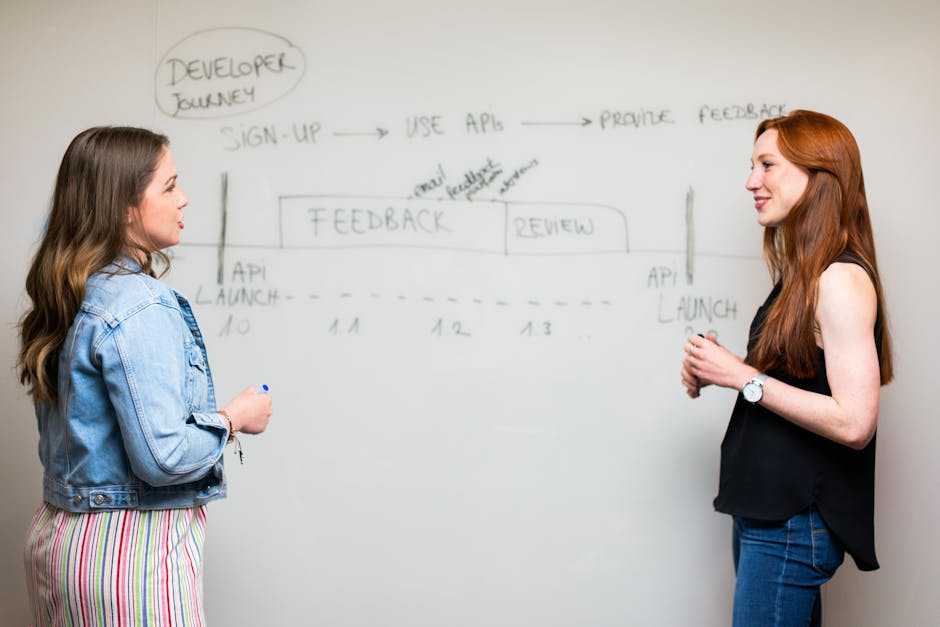
What a Feedback Loop Actually Is
A true feedback loop is simple in theory: input → analysis → output → repeat. But doing it well separates amateurs from top tier performers. First, you take action (input). Then, you look at what happened what worked, what didn’t (analysis). Next comes the adjustment (output). And finally? You run it back with that new insight included. Rinse and repeat.
Why does this matter? Because passive practice just doing the thing over and over without reflection plateaus fast. You’re repeating the same mistakes, locking in bad habits. That’s not progression; it’s stagnation. Real growth kicks in when you look closely, tweak deliberately, and keep testing.
Random repetition might feel productive, but it’s mostly noise. Targeted refinement looping back with intention is what sharpens your edge. Whether you’re working on your jump shot, editing videos, or improving a sales pitch, the feedback loop gives structure to your hustle. Without it, it’s just more reps. With it, every cycle levels you up.
The Role of Precision in Feedback
To improve faster, your feedback must be sharp, accurate, and actionable. Vague feedback “Just do better,” or “That felt off” doesn’t help you understand what needs fixing or how to fix it. Precision is what separates meaningful progress from endless trial and error.
Why Vague Feedback Kills Momentum
When feedback lacks specificity, your brain is left guessing. This can stall your motivation and lead to random, unfocused practice that doesn’t yield results. Clear guidance, on the other hand, can direct your attention toward exactly what needs refinement.
The problem with vague feedback:
Leaves room for misinterpretation
Offers no clear path forward
Wastes time and effort on guesswork
What precise feedback does:
Targets specific areas for improvement
Builds confidence and momentum
Creates measurable benchmarks for progress
Real Time vs. Delayed Feedback
Both types serve unique purposes in the skill building cycle. The key is choosing the right one for the right moment.
Real Time Feedback is most effective when:
Developing motor skills (e.g., fixing posture or form)
Immediate correction increases learning efficiency
Consistency and timing are essential
Delayed Feedback works better when:
Reviewing performance holistically
Analyzing patterns over multiple attempts
Reflecting on strategy and decision making
Use real time feedback to fix the how, and delayed feedback to improve the why.
Measuring Progress with Data not Guesswork
Gut feelings have their place, but real progress depends on objective tracking. Numbers expose patterns, eliminate bias, and make small wins visible.
Simple ways to use data in feedback loops:
Use video analysis to observe mechanics
Track speed, accuracy, or efficiency over time
Record reps, time spent, and success rate in a skill journal
Objective data creates a clear record. When progress feels slow, it shows trends that emotion or memory might miss.
Bottom line: Precision breeds progress. The more accurate your feedback, the more efficient your skill development.
High Performance Examples in Action

Elite performers don’t just train harder they train smarter. Feedback isn’t just helpful for them; it’s fuel. Think of it like tuning a race car between laps. They’re reviewing video footage frame by frame, analyzing biomechanics in slow motion, and stress testing decision making through cognitive training reps. No guesswork, no fluff. Every tweak is deliberate.
Take a closer look at how top athletes operate, and you’ll see how small corrections stack quickly. A gymnast might adjust takeoff angle by a degree. A soccer player tweaks foot positioning by an inch. These aren’t sweeping overhauls they’re micro adjustments informed by laser focused feedback. The payoff? Precision under pressure.
Want to dive deeper into that process? Check out this case study on elite skill building. It lays out how pros break down complex skills into actionable parts and build them back better, fast.
Building Your Personal Feedback Loop
You don’t need to overhaul your life to build a powerful feedback loop. Start small one skill, one habit, one rep at a time. Make it trackable. A simple spreadsheet or notes app works. What gets measured tends to improve, but only if you review it. Look at patterns weekly. Adjust one variable at a time. That’s iteration with purpose.
Don’t try to go it alone. A coach can spot what you can’t. A mentor adds long range perspective. Tech shows you what the numbers say no ego attached. Ideally, you’ve got at least one in each category: human, strategic, and digital. They help you stick to the process and avoid chasing noise.
As for tools, stay lean. Overcomplicating kills momentum. Use what gives you fast feedback: video analysis apps, wearables, minimalist habit trackers. Anything else should earn its spot in your system. You’re not here to get fancy. You’re here to get better.
Avoiding Common Pitfalls
Feedback loops can do wonders for your growth but only if you treat the information honestly. One of the biggest traps is the echo chamber effect. If all you hear is praise, or opinions from the same tired voices, you’re not growing you’re stalling. Worse, bad feedback masquerading as helpful advice can send you in the wrong direction fast. Getting clear, useful input matters way more than getting a pat on the back.
Then there’s paralysis by analysis. When you’re drowning in input stats, opinions, video reviews, mind maps you can easily forget to actually act. Feedback only works if you apply it. If you’re constantly collecting information but never building momentum, you’ve got a problem. Progress isn’t about perfection it’s about testing, refining, and getting back at it.
Staying motivated inside this loop takes grit. The process can feel like endless homework: break down the play, make the tweak, go again. To avoid burnout, two things help having a purpose behind what you’re improving, and building small wins into your process. Track progress, celebrate movement, and remember: effort compounds.
Final Takeaway: Make It Work for You
Feedback loops aren’t magic. They won’t suddenly level you up just because you’re analyzing your footage or logging your training. They’re systems structured ways to turn insight into results. When used right, they cut through the noise, show you what actually matters, and help you zero in on skill gaps that need real attention.
But here’s the kicker: garbage in, garbage out. If you’re feeding the loop with low effort reps or vague feedback, don’t expect elite results. High performance comes from high quality input honest feedback, sharp observation, and an obsession with the small things. It’s not glamorous, but it works.
If you want to see how pros make feedback loops work at the highest level, dive into our deep analysis here: elite skill building.